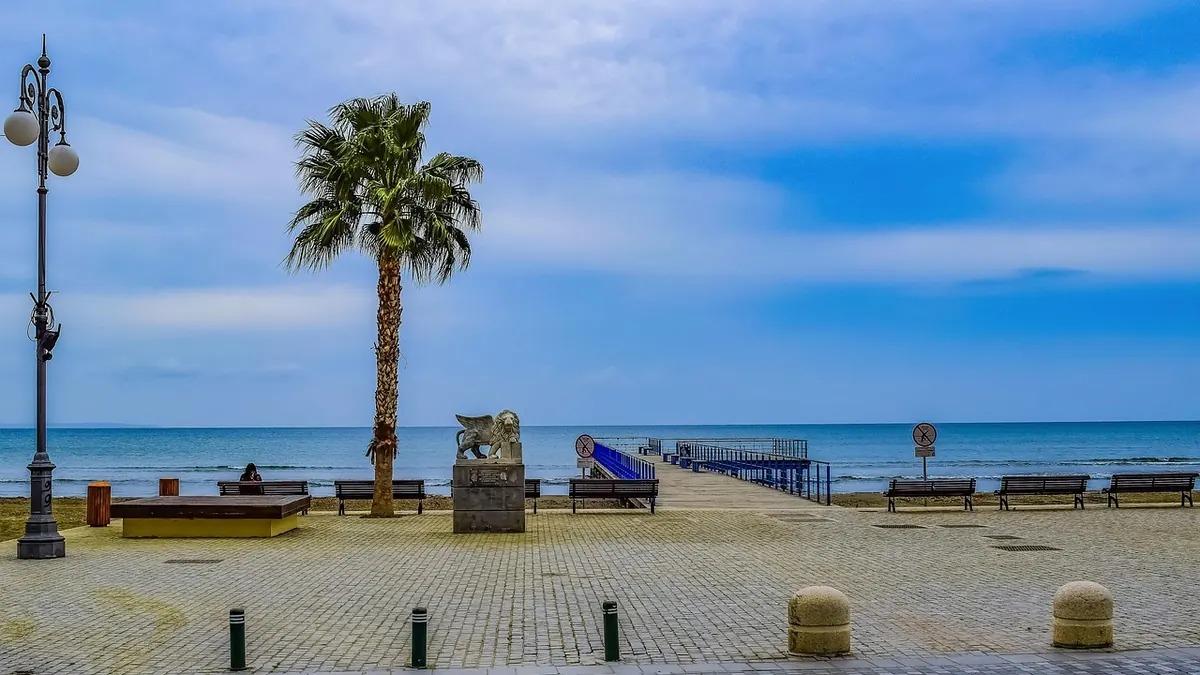
Winter strips the British seaside back to its bones. The donkeys have gone, the arcades are shuttered, and the wind off the North Sea has a bite that makes a pint by a fire feel earned. That is exactly why locals love it. Between November and March, coastal towns that groan under crowds in August become places you can walk, think and eat well without queuing. You need to plan around shorter days, early kitchen closing times and a few closed attractions. The reward is a quiet break that feels like a secret.
Why winter suits the coast
The light is the first thing you notice. Low sun, long shadows, wet sand reflecting a grey-gold sky. Photographers call it the good light; everyone else just calls it beautiful. Beaches are empty enough for a dog to run without a lead, and many summer dog bans are lifted between October and Easter. Pubs have space by the window. You can park without circling the same block for twenty minutes.
The catch is that not every town is set up for winter. Smaller villages can feel abandoned when the second-home owners leave and the one café closes for January. Choose a working harbour town, a year-round community or a larger resort with a resident population. Check that at least two places to eat and drink are open midweek before you book. A little research turns a ghost-town weekend into a proper break.
Pick the right town for the weather you can tolerate
Britain’s coast is not one thing. The north-east is bracing and dramatic; the south-west is softer but wetter; East Anglia has huge skies and sharp winds. Match the place to your appetite for cold walks and early nights.
- North Yorkshire and Northumberland: Whitby, Staithes, Alnmouth and Bamburgh. Expect bracing cliff paths, abbey ruins, harbour pubs and sea fret that can roll in fast. Wrap up properly and you will have the coast path almost to yourself.
- East Anglia: Southwold, Aldeburgh, Cromer. Wide pebble beaches, big skies, good fish and chips, and a strong tradition of quiet winter weekends. The wind is relentless, so plan a loop that ends at a pub.
- Wales: Tenby, Llandudno, Aberystwyth. Promenades built for strolling, hills behind the town, and plenty of cafés that stay open for locals. Llandudno’s Great Orme is a proper winter walk when the tram is not running.
- Scotland: North Berwick, Oban, Stonehaven. Shorter days, wilder seas and a real sense of escape. Check ferry timetables if you are island-hopping; winter services are reduced.
- South coast: Deal, Margate, Folkestone. Easier to reach by train, with galleries, old pubs and a milder edge. Still quiet midweek, still cheap outside school holidays.
Walks that fit a short day
In winter, start walking by ten and aim to be back by half three. Walk into the wind first, so the return leg is easier. A five-mile coastal path can feel much longer when the ground is muddy and the light is fading. Take a paper map or a charged phone with an offline map, and tell someone your route. Phone signal is patchy on many cliffs.
Good low-commitment routes include Whitby to Sandsend along the beach at low tide, or the Cleveland Way clifftop if the tide is higher. Cromer to Overstrand on the Norfolk Coast Path is a fine half-day, with a bus back if your legs are done. In Southwold, loop the harbour and marshes, then walk the promenade for a sea view. Llandudno’s Marine Drive and Great Orme paths give you big views without a full day out. North Berwick Law is short but steep, and the reward is a panorama over the Firth of Forth.
Check tide times before any beach walk. Give yourself an escape route. Mud, shingle and wet wooden steps are slippier than they look. If the wind is strong enough to lean on, save the exposed path for another day.
Dress for the weather, not the forecast
Coastal weather changes faster than any app can keep up with. Layers are your friend: a base layer that wicks, a warm mid-layer, and a waterproof shell that cuts wind. Wool hat, gloves, scarf. Walking boots with grip. A flask of tea or soup. Spare socks in the bag. Cotton next to the skin is a poor choice if you might get wet.
An umbrella is usually useless on an exposed front. A hood is better. A small torch or headtorch costs little and saves you if a walk runs late. Wind chill can make a mild-looking day feel bitter, especially on a pier or headland. If you are walking alone, stick to busy promenades and well-marked paths.
Where to eat and drink
Winter food at the coast is about warmth and local specialities. Look for a pub with a real fire, a café with steamed-up windows, and a chippy that locals use. Whitby means kippers and smoked fish. Cromer means crab. Southwold has its own brewery and plenty of pubs to try it in. In Wales, look for cawl and Welsh cakes; in Scotland, seafood and a dram by the fire.
Opening hours are the main hurdle. Many kitchens stop serving by eight, and some places shut Monday to Wednesday. Book ahead for dinner, especially on a Friday or Saturday. Ask if they are dog-friendly if you are travelling with one. If the first pub is full, the next street often has a quieter alternative. Breakfast is underrated: a big cooked breakfast sets you up for a long walk and costs less than a formal lunch.
Rainy-day cover
Plan one indoor option for every outdoor one. Small museums, heritage centres, art galleries and independent bookshops are the backbone of a winter coastal break. Whitby Museum, the Southwold Sailors’ Reading Room, Turner Contemporary in Margate and local maritime museums all make good shelter. Check winter opening times before you travel; many run reduced hours.
A cinema, a brewery tour or a long lunch can fill a wet afternoon. So can a pub with board games and a window seat. Rain does not ruin a seaside break. It just changes the pace. Save the beach walk for the brighter window, then retreat.
A practical plan for a quiet break
- Choose a town with a year-round population and at least two midweek food options.
- Book accommodation with reliable heating, a bath or a fire, and parking if you need it.
- Travel midweek outside school holidays for the quietest streets and easiest tables.
- Check tide times, sunset and attraction opening hours the day before you go.
- Pack layers, waterproofs, boots, a hat, gloves, a torch and a flask.
- Plan one walk and one indoor option for each day, then stay flexible.
- Keep the evening simple: early dinner, a pint by the fire, and the sound of the sea.
Winter is not the season to tick off attractions. It is the season to walk, eat, sleep and wake to an empty promenade. Take the weather seriously, book the pub, and let the coast do the rest.